Protecting the Hudson River for Today and Tomorrow
Hudson River Protection, LLC advocates for the health of the Hudson River through education, community engagement, and litigation. Join us to protect the river for generations to come.
Hudson River Protection, LLC is Dedicated to:
Our work supports a thriving Hudson River ecosystem from the Adirondacks, for approximately 315 miles, to the Atlantic Ocean — recognizing that what flows into the river affects communities, recreation, drinking water, and the region's economy.
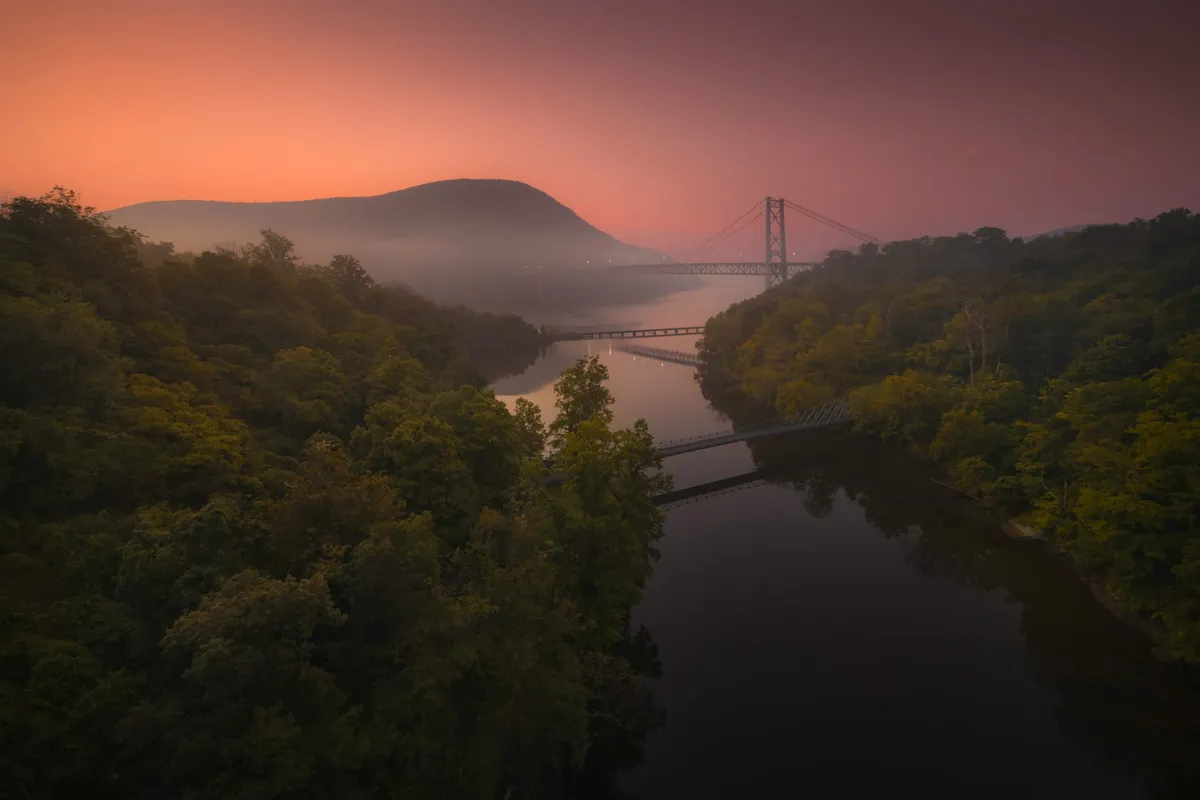
Advocating for Clean Water
Ensuring companies and facilities follow science-based protections for the Hudson River watershed.
Strengthening Policy Compliance
Promoting best practices under the Clean Water Act and stormwater regulations.
Engaging Communities
Empowering citizens, businesses, and governments to safeguard water quality.
Preserving River Health
Protecting aquatic habitats and biodiversity for future generations.
The Hudson is Vital
The Hudson River is more than a waterway — it's a living ecosystem and economic backbone for millions of residents and businesses. Historic industrial pollution, stormwater runoff, and regulatory gaps continue to threaten water quality, aquatic life, and public health.
Stormwater Discharge
Stormwater discharge from businesses is a major source of both "legacy" and active pollution in the Hudson River. Unlike residential runoff, commercial and industrial discharge often carries specialized toxic chemicals, heavy metals, and higher concentrations of oils that require specific legal oversight.
High-Risk Business Sectors
-
Metal Scrapyards & Salvage Yards
Rainwater washing over exposed scrap metal picks up high concentrations of heavy metals (lead, copper, zinc) and fluids like motor oil and antifreeze.
-
Transportation & Maintenance
Ferries, trucking terminals, and marinas often discharge runoff contaminated with fuel, coolants, and detergents from vehicle washing.
-
Concrete & Construction
Runoff from concrete plants often has a very high pH (alkaline), which is toxic to fish. Construction sites are the leading source of sediment.
-
Landfills
Even closed landfills can release leachate (chemically-laced water) into the Hudson during heavy rain.
Legal Requirements for Businesses
-
MSGP (Multi-Sector General Permit)
Most industrial facilities in New York and New Jersey must obtain this permit if their operations are exposed to rainwater.
-
SWPPP (Stormwater Pollution Prevention Plan)
Businesses are legally required to create and follow a SWPPP, outlining Best Management Practices such as covering raw materials or installing filtration systems.
-
Monitoring & Reporting
Many permits require businesses to perform regular water sampling of their discharge and report pollutant levels to the NJDEP or NYSDEC.
How We Drive Change
Our approach combines science-based best management practices with grassroots passion to revitalize our river and protect our wildlife.
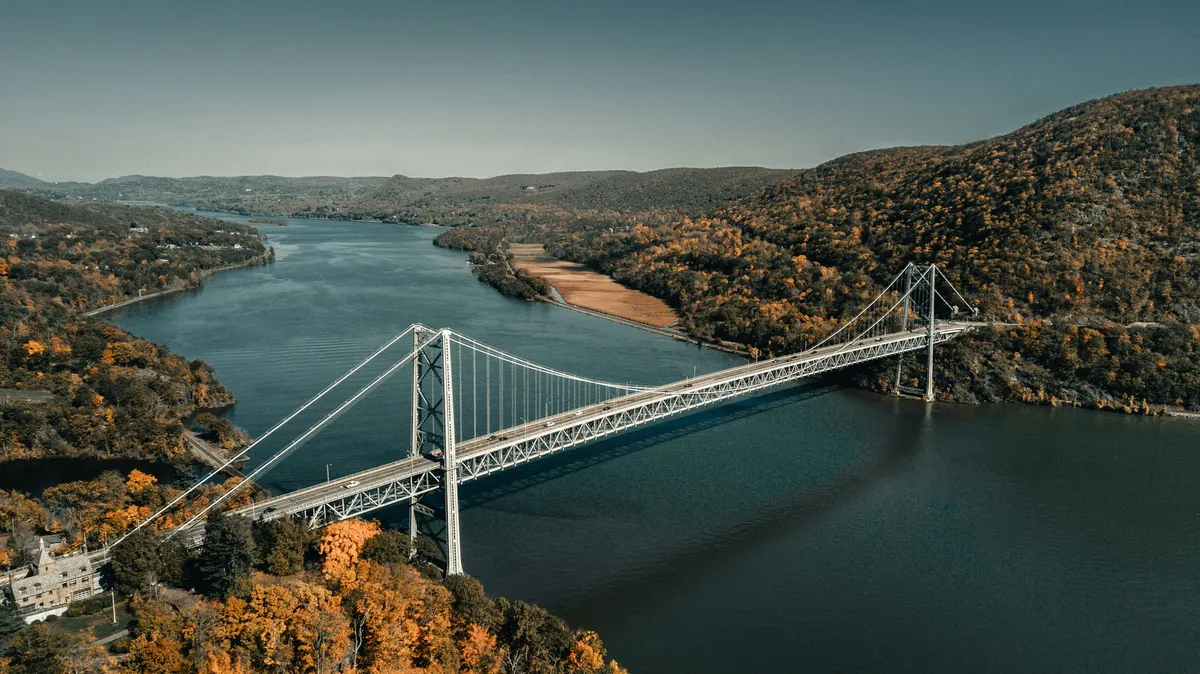
Community Engagement
Through our members, we empower locals to monitor water quality and advocate for their own backyards.
Public Access
We monitor and fight businesses that pollute the river, ensuring the Hudson remains accessible and clean for everyone.
Cleanup Projects
We hold cleanup and trash removal events. Our members go on to the river to remove trash and debris, raising awareness.
Litigation
We send Notice of Violation and file lawsuits against facilities that are in violation of their discharge permits.
The Hudson River
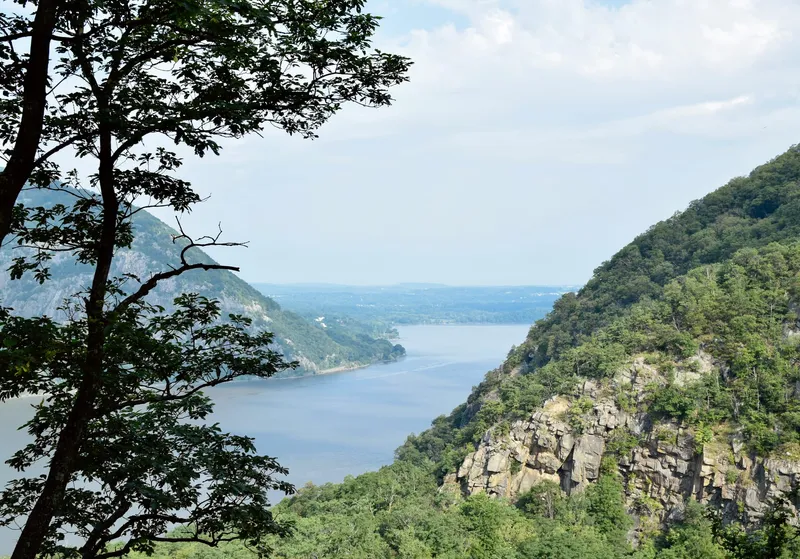
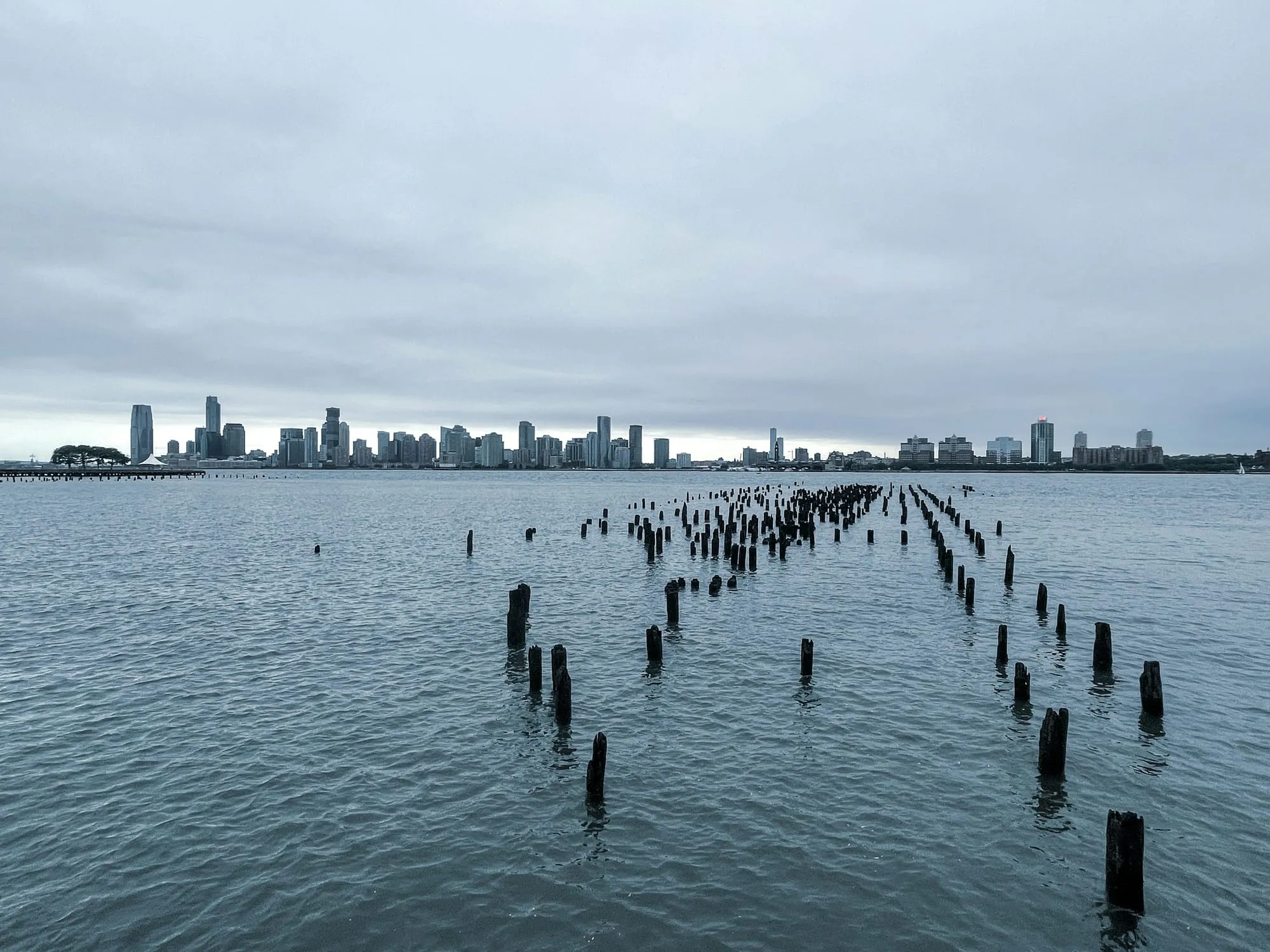
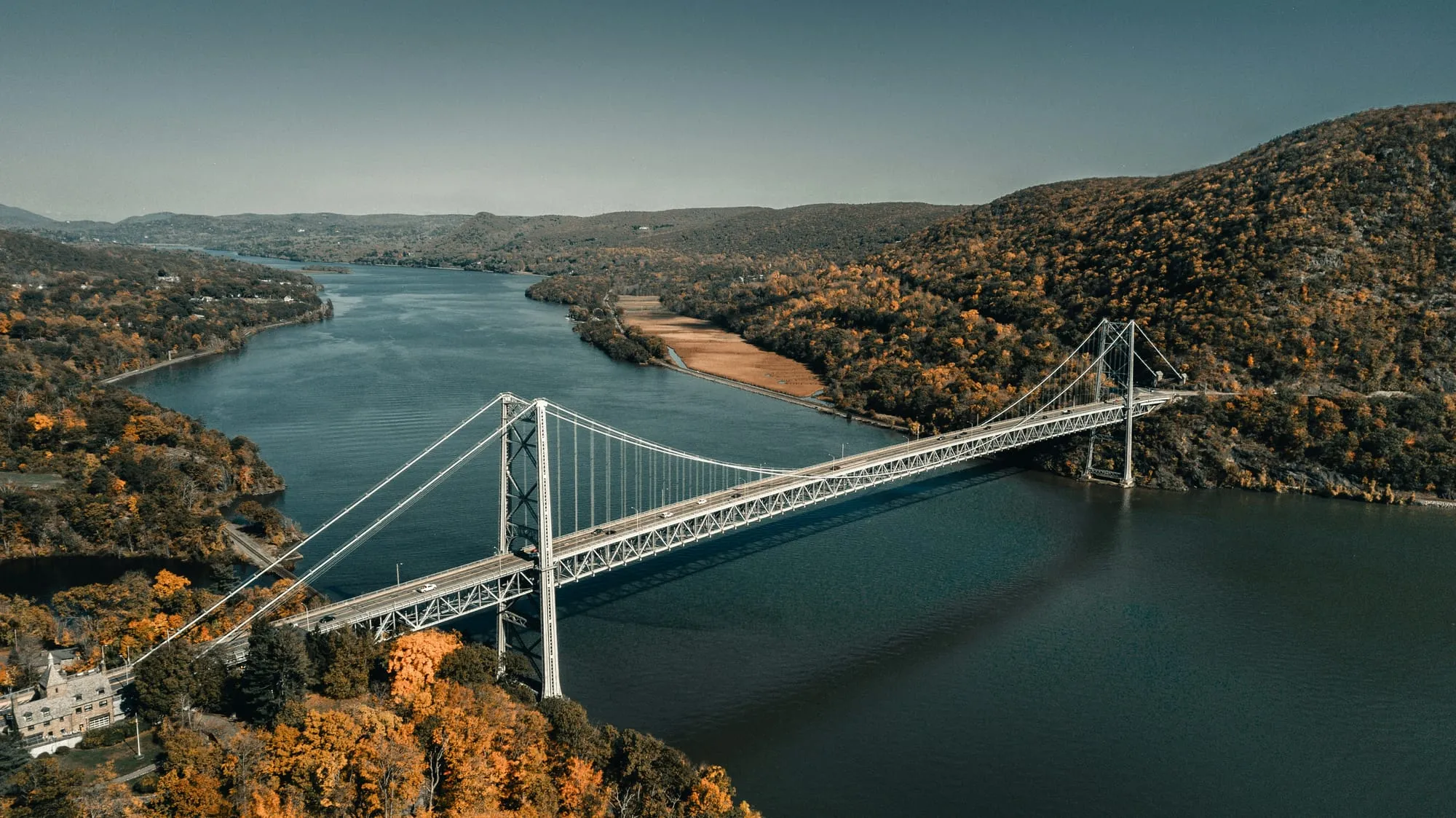
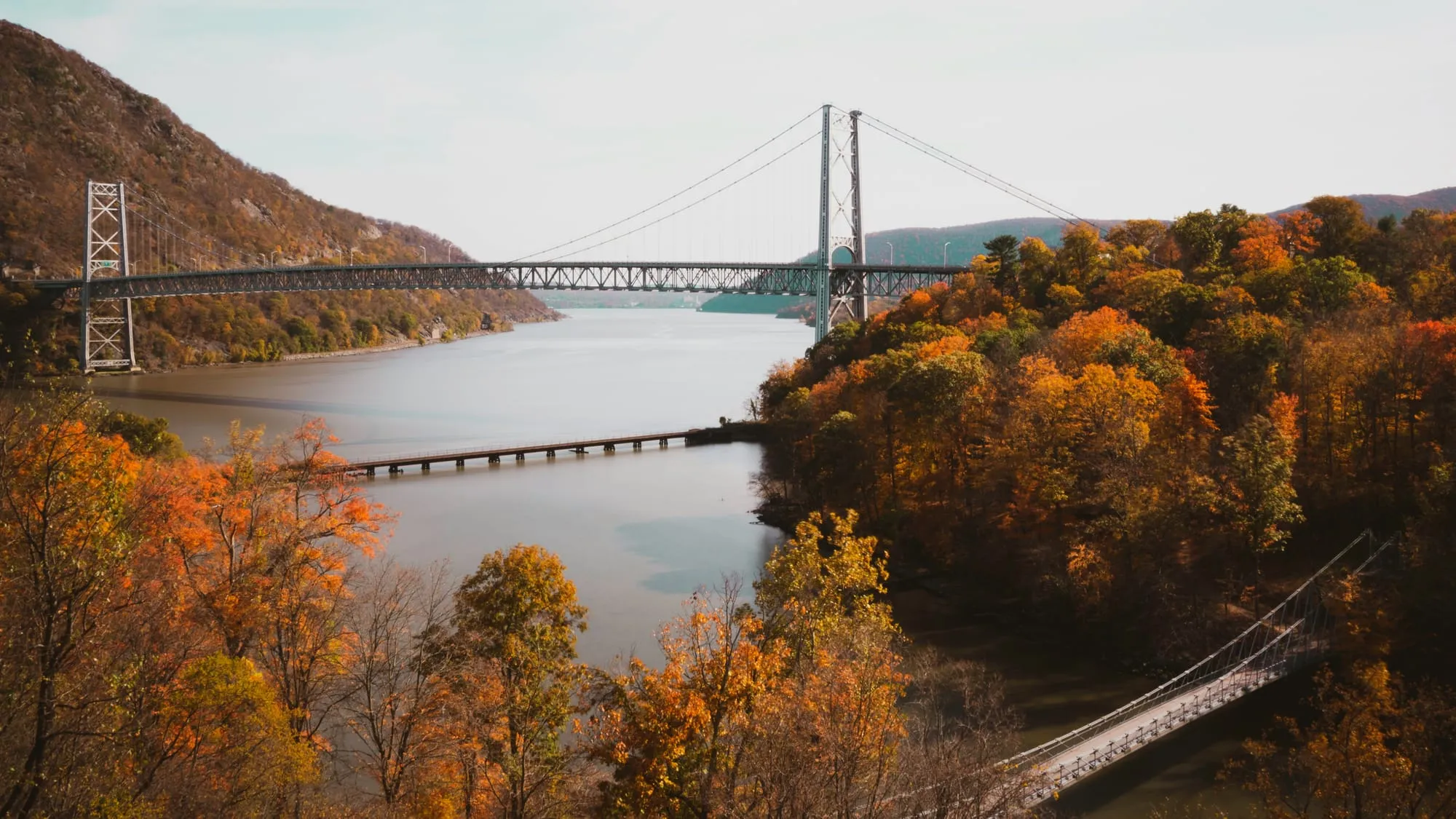
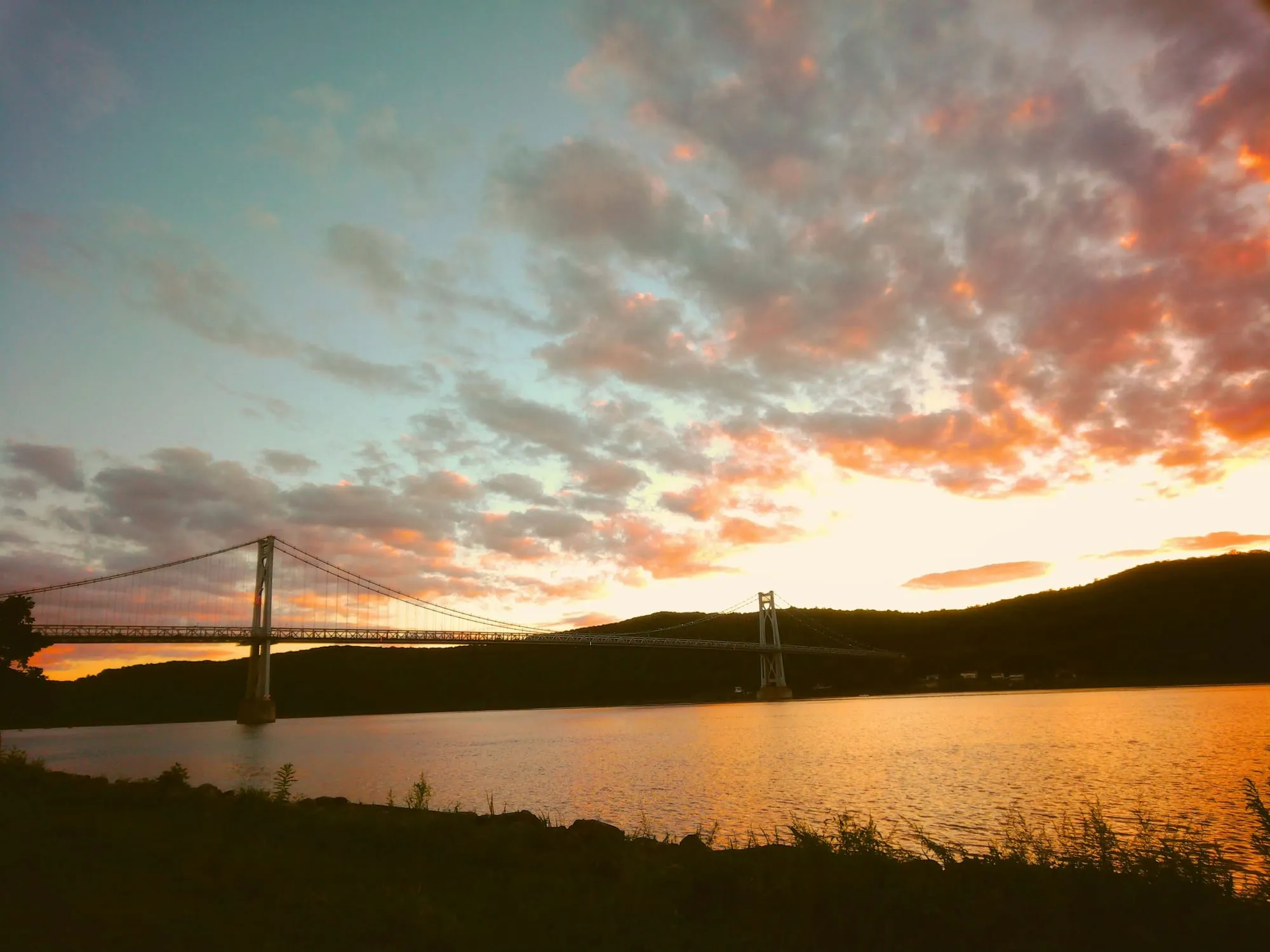
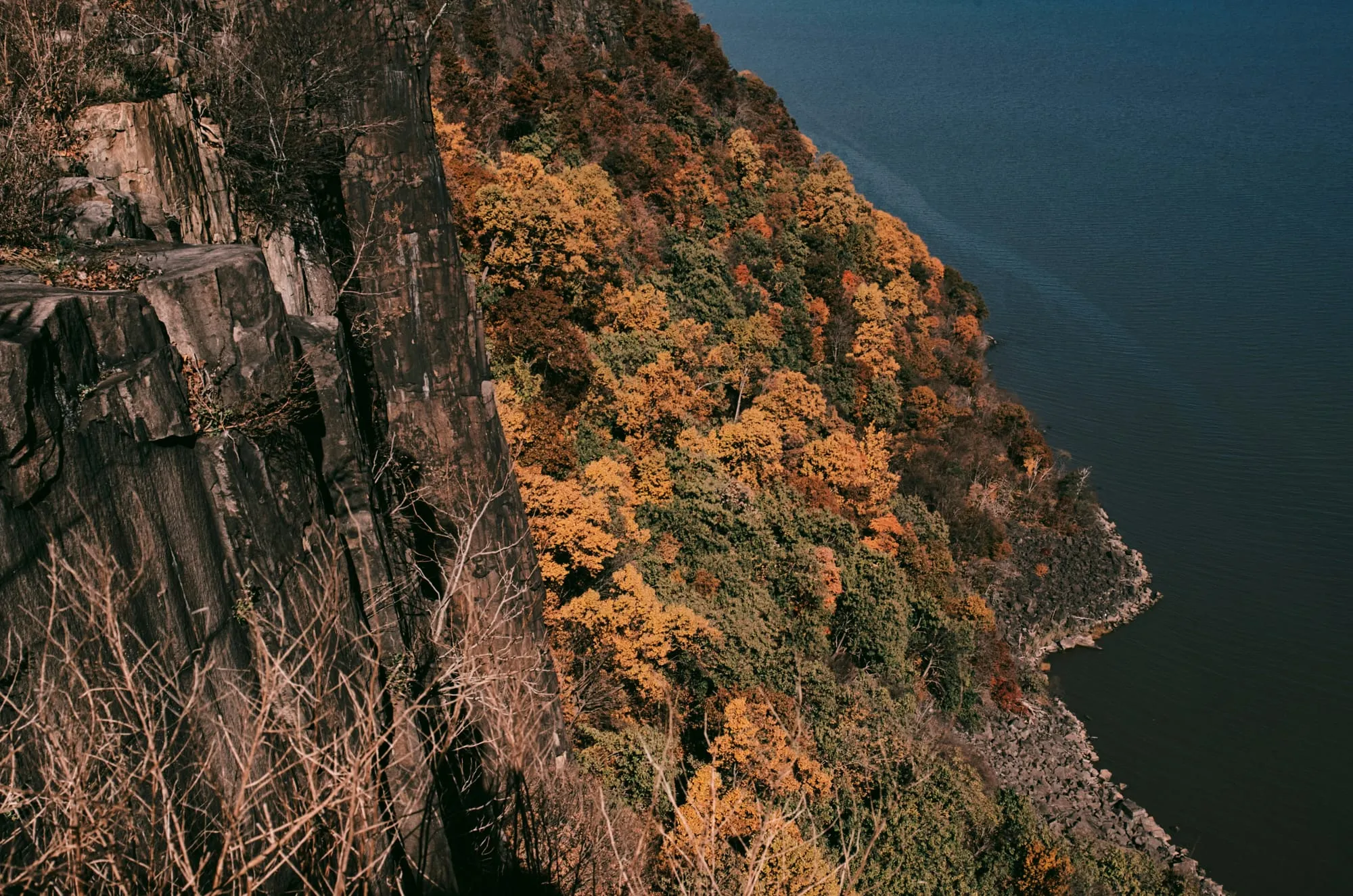
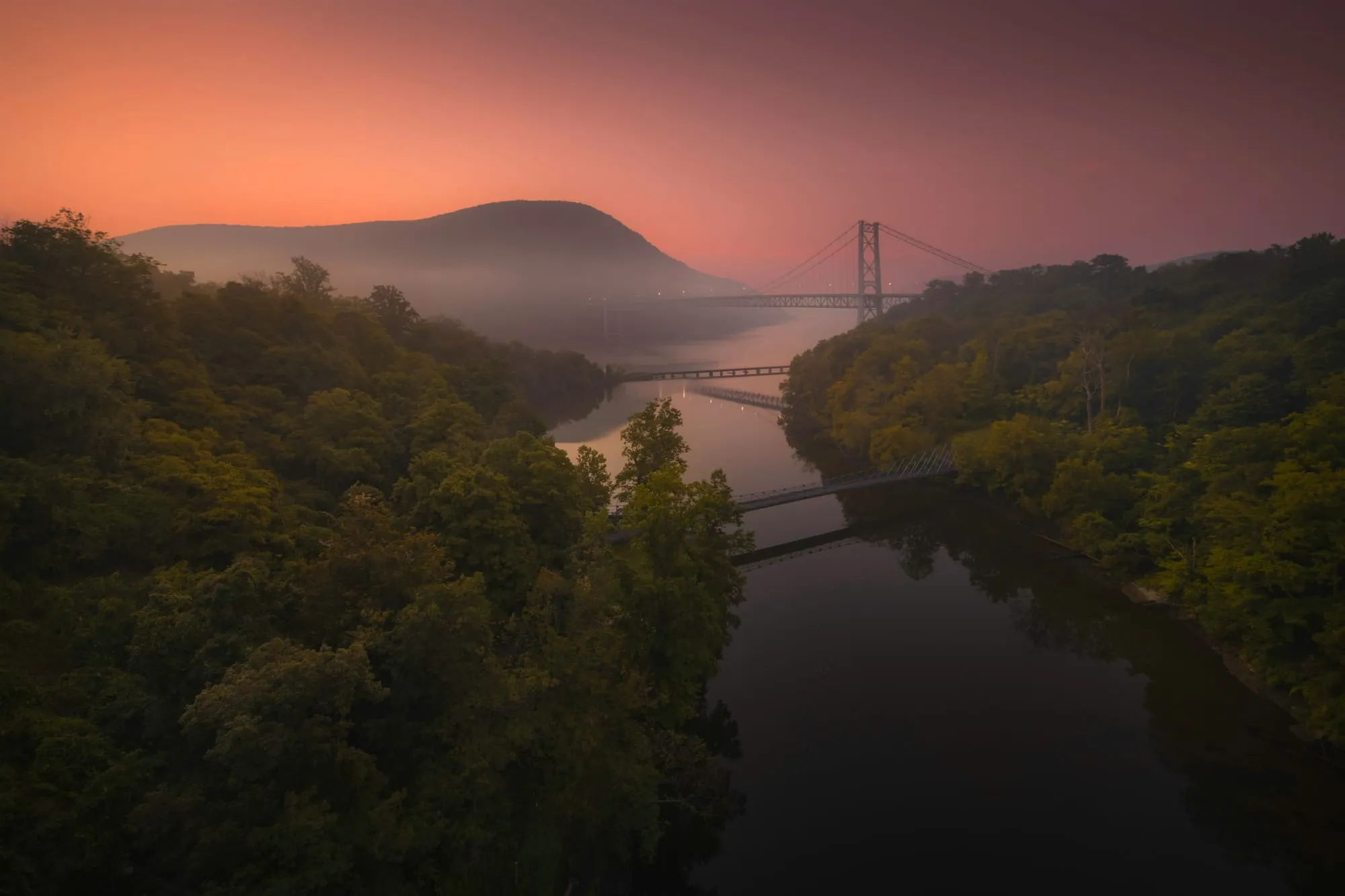
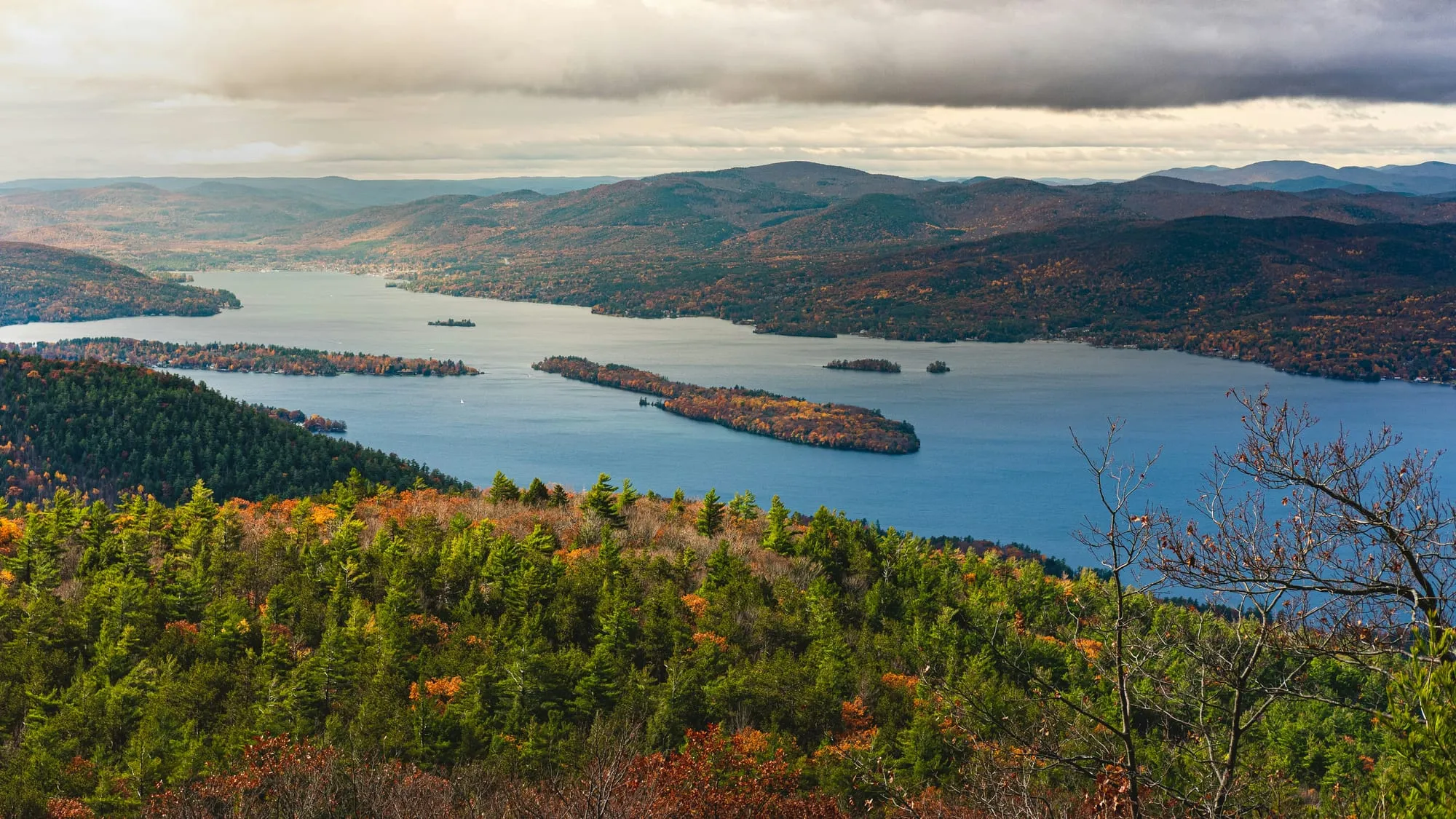
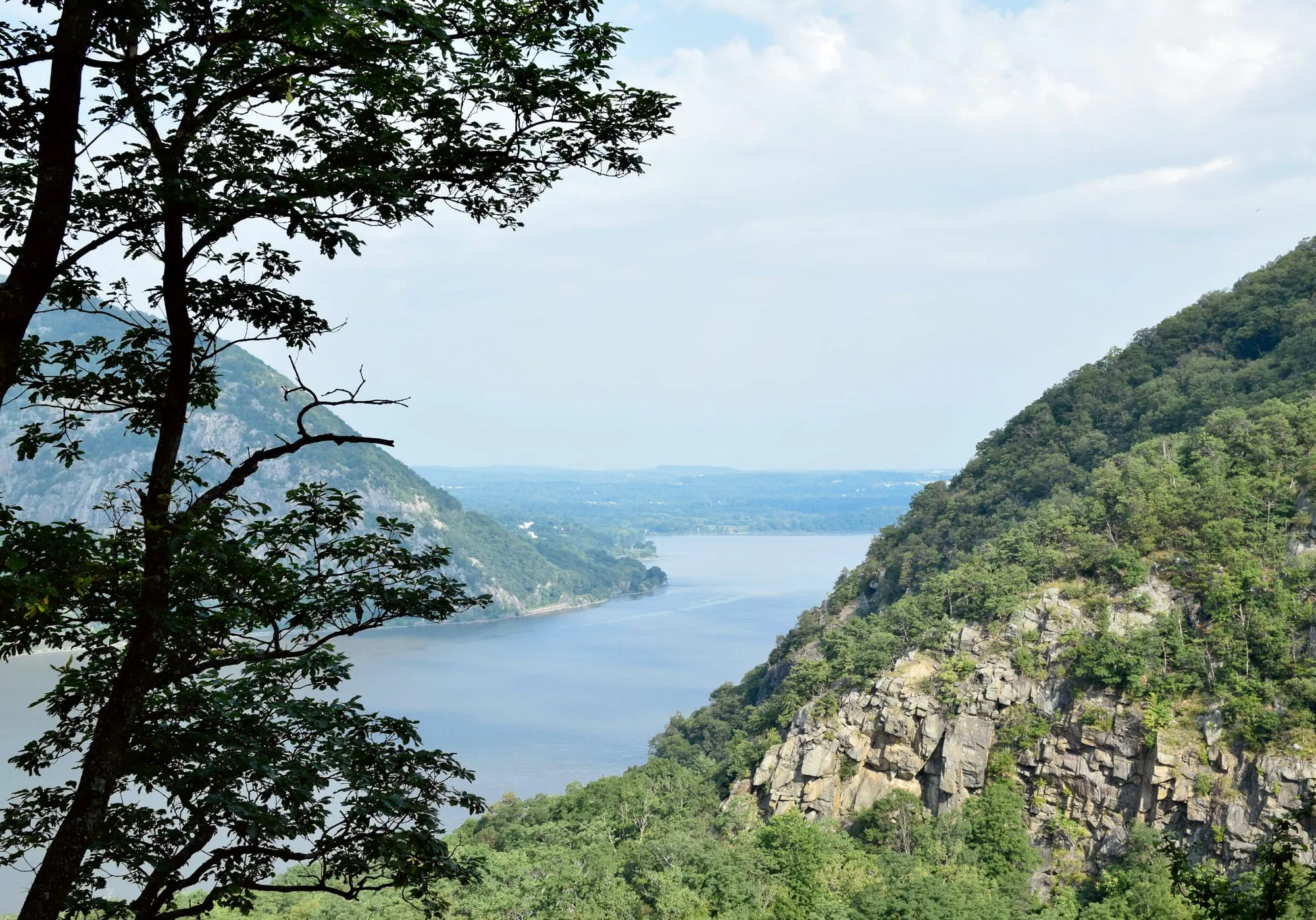
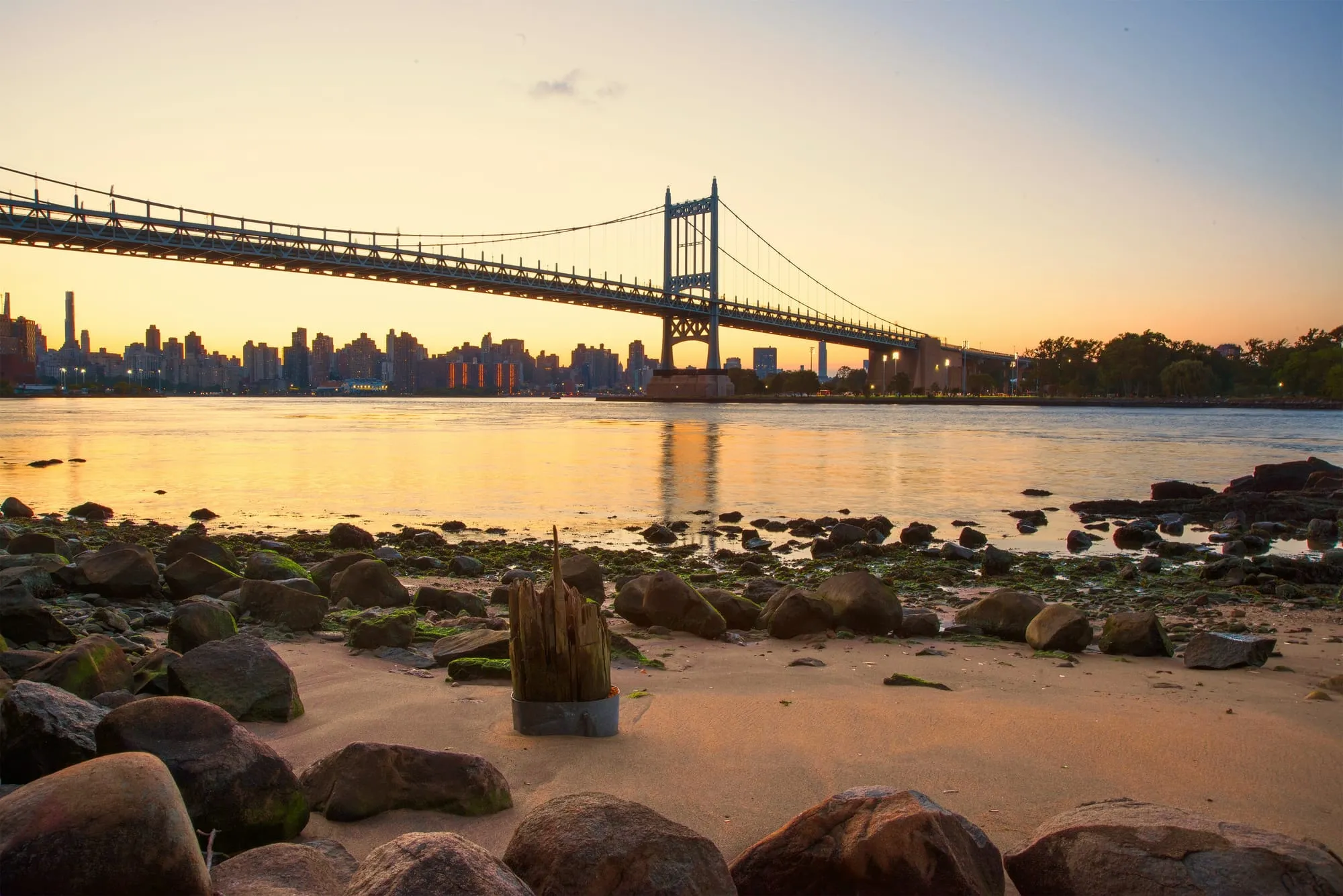
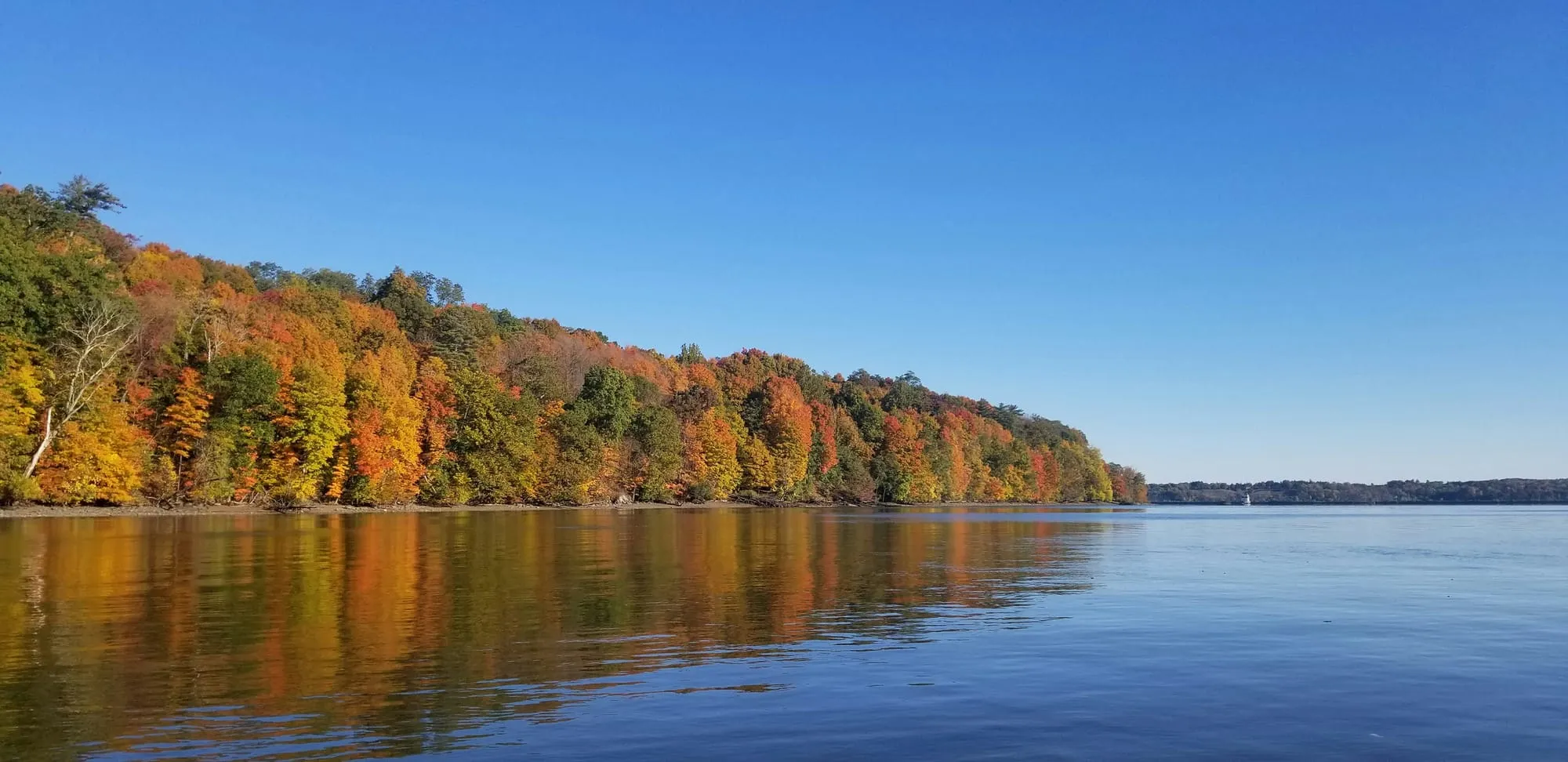
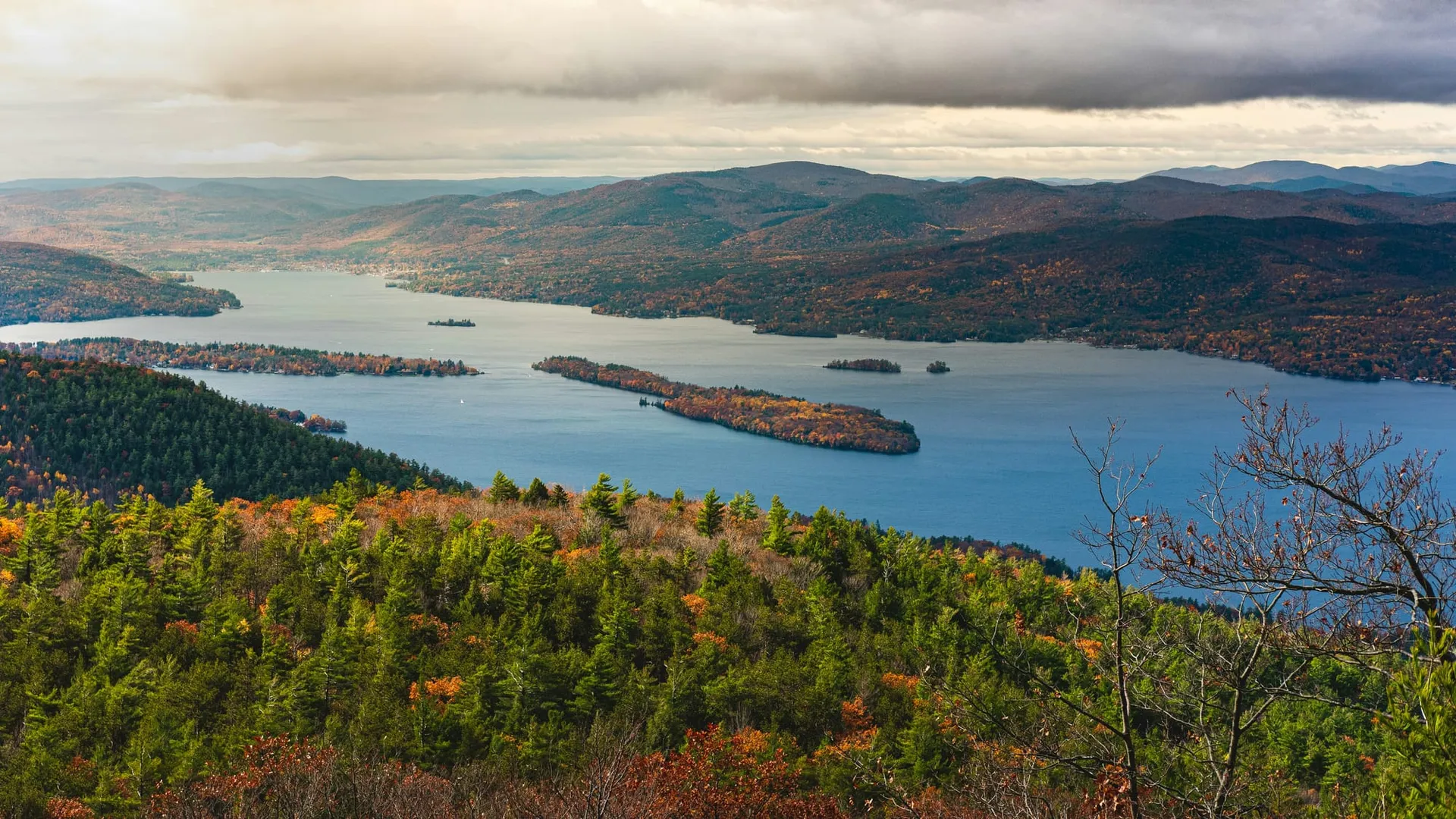
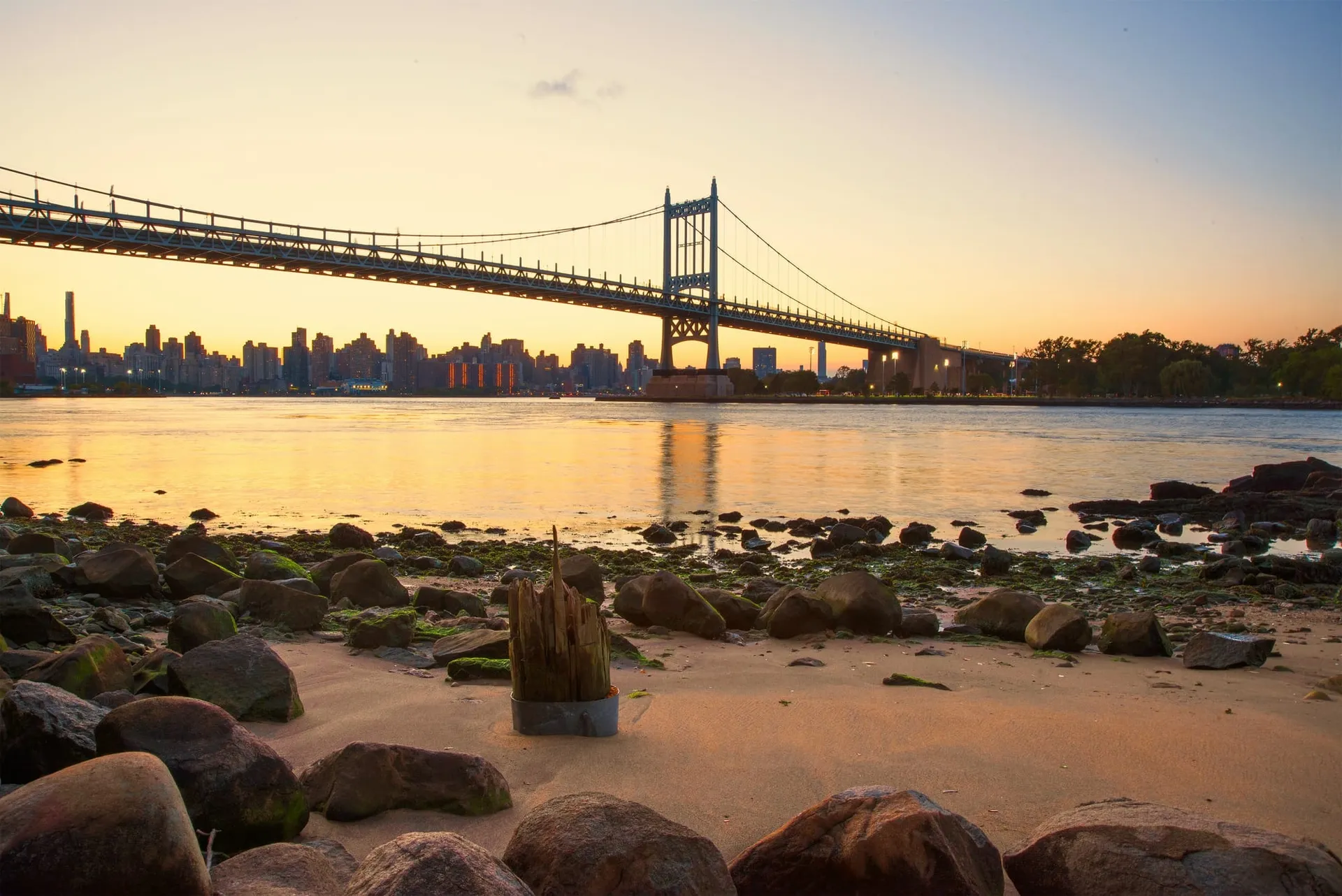
From the Adirondack headwaters to the New York Harbor, the Hudson River carves through some of the most breathtaking landscapes in the Northeast. These images capture the river's quiet power and timeless beauty across every season.
See Something Concerning?
Illegal discharge, sediment runoff, suspicious pipe outfalls, or stormwater violations can have lasting environmental consequences. Hudson River Protection, LLC encourages responsible reporting through proper regulatory channels and community engagement.
Protecting the Hudson requires vigilance.
Contact Us With Your ConcernsLegal Advocacy & Enforcement
The Hudson River is protected under federal and state environmental laws, including the Clean Water Act, National Pollutant Discharge Elimination System (NPDES) permits, state stormwater management regulations, and water quality standards.
Laws We Enforce:
- ✓ The Clean Water Act
- ✓ National Pollutant Discharge Elimination System (NPDES) permits
- ✓ State stormwater management regulations
- ✓ Water quality standards and total maximum daily loads (TMDLs)
Clean Water Act Compliance
Under the Clean Water Act, facilities discharging pollutants into navigable waters must obtain permits and meet strict monitoring and reporting standards.
- ✓ Transparent discharge monitoring reports
- ✓ Enforcement of permit violations
- ✓ Strong stormwater permit oversight
- ✓ Updated pollutant standards where necessary
Regulatory compliance is not optional — it is a legal obligation that protects public health and the environment.
Citizen Engagement & Legal Rights
The Clean Water Act includes citizen suit provisions that allow individuals and organizations to seek enforcement when regulatory agencies fail to act.
- ✓ Lawful use of citizen suit provisions
- ✓ Supporting communities impacted by pollution
- ✓ Working alongside regulatory agencies
- ✓ Responsible, evidence-based enforcement
Our goal is compliance because it leads to a healthier Hudson.
Corporate Responsibility
Businesses operating near or within the Hudson River watershed have a responsibility to protect downstream communities.
- ✓ Maintain compliant permits
- ✓ Implement pollution prevention best practices
- ✓ Invest in environmental stewardship
- ✓ Protect downstream communities
Compliance protects not just the river — but corporate reputation and long-term operational stability.
Join Friends of The Hudson River
Become a member today. Membership is completely free — your voice helps protect the Hudson River for generations to come.